


TechAdvisor | Caterpillar
A global application for dealers transforming technical complexity into clear, customer-ready recommendations.
Role
Lead UI/UX Designer
Timeline
7 Months
1 Designer, 1 Researcher,
5 developers, 1 PO, 1 Architect
Skills
User experience, Visual Design, Research, Concepts, Interaction design, UX Strategy.





Got just a minute?
I transformed a fragmented, expert-driven recommendation process into a clear, explainable experience that helps dealers confidently recommend technology at both single-asset and fleet scale.
Outcome & Impact
Score achieved in sus
Measured across 48 representative
Effort rating achieved
Based on average weekly operational hours × 1400+ users.
Design validation score
Measured in report generation throughput for core workflows.
Problem
Dealers struggled to confidently recommend technology due to fragmented information, complex configurations, and reliance on experts slowing decisions and increasing errors.
What I did
I led the end-to-end UX shaping the recommendation strategy, translating constraints into design decisions, and designing a scalable experience in close collaboration with Product, Engineering, Stakeholders and SME's.
Context - The system before
When “Working” Wasn’t Really Working.
What is the project about
This was a 0→1 product initiative delivered in two strategic phases, covering the entire product lifecycle from discovery and research to design, validation, and delivery.
What is TechAdvisor
TechAdvisor is a smart, centralized platform designed to help dealers and customers discover, understand, and get capability recommendations for Caterpillar asset.
Why - The problem
The actual issue
Caterpillar offers a growing portfolio of digital solutions and machine technologies. While these technologies deliver strong value to customers, dealer teams struggle to confidently recommend, configure, and support them.
Problem scenario

The challenge
What needs to be achieved?
“To transform an expert-driven process into a dealer-ready recommendation experience that is fast, explainable, and scalable, reducing coordination dependency and enabling confident- recommendations, so dealers can move from
weeks-to-minutes decision making.”
Reducing dependency on long specialist and internal coordination cycles
Easy for dealers to digest the recommendtions data
recommend the right technology with confidence
Enabling data-driven foresight to support smarter and faster decision-making.

Initial discovery
User Interviews
I worked closely with one UX researcher and we conducted multiple discovery sessions with users across Western Australia and the US. The goal wasn't to validate a solution, it was to understand the real shape of the problem before designing anything.
Instead of asking "what features do you want?" we focused on how recommendations were made today, what steps caused delays, and where users hesitated or escalated to experts.
Meet the Users

CAT Dealers
Sales Rep
After Market Groups
Pricing Team
Total no of Users
50,000+
Geography
Global
Gender Distribution
84%
Male
15%
Female
0%
Others
Interview context
Method
Remote Interviews via video call
Regions Covered
Western Australia, US
Duration
1 Hr
per participants
User Involved in interviews
7
People Involved
Dealer - Account Managers, Quoting specialists, Product specialist
Dealership Involved


Current as is Customer journey

Insights
What we studied from the users

Delarers don't think in products, they think in problems and they need answers quickly before the customer hangs up.
The reframe
The moment the problem changed shape
What we Assumed Before
A technology recommendation tool for dealers
Help dealers browse caterpillar's technology catalog and configure the right setup for the customers.
What we understood that users wanted
A confidence tool for a 30-minute decision window
Help dealers say the right answers out loud on a live call, without waiting on specialists.
From Insights to Concepts
Concept direction & Final concepts
Our goal in concept design was not to create a perfect system, but to design a flow that remove hesitation for users at the moment of decision making. Some of our core goals are:
01
Help dealers quickly reach a recommendation.
02
Explain why a recommendation makes sense.
03
Reduce the need for expert escalation.
Final concepts (Scroll to view)




What we learned
Key insights from concept testing


Defining the MVP
Defining the core of the first release
By this point, we had something powerful, phase 2 was about turning that learning into a coherent, scalable product direction without losing what made the concepts work.
Based on the ideation phase with the core team. We decided to have the overall final product centered around two core capabilities.

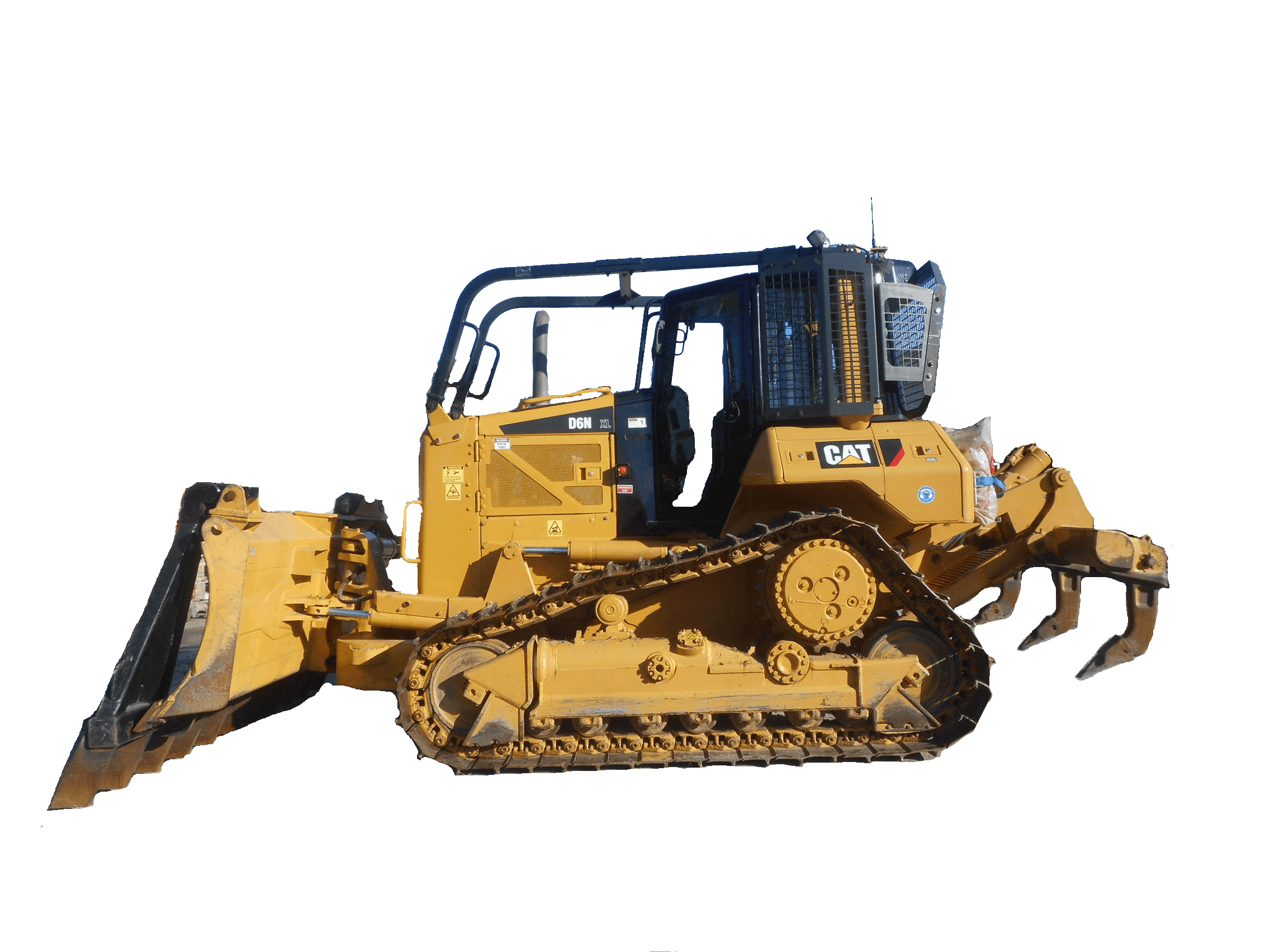
Single Asset Recommendations
Designed as the foundation of trust, clarity and for scalability. This was the first experience users would encounter and the benchmark for confidence.

Multi-Asset Recommendations
Designed for real-world dealer workflows, where recommendations are rarely made for one machine at a time.
Why Single Asset seperately, when you can get for multi assets?
Designed as a scalable foundation not a limitation, optimised for progress without rework. Single-asset shipped now. Multi-asset via Helios upgrades cleanly on top same patterns, same structure, no redesign needed.
The critical decision
How We Enabled Multi-Asset Recommendations
Multi-asset recommendations became one of the most debated features in the project, leading to multiple brainstorming sessions and iterations before arriving at the final flow.
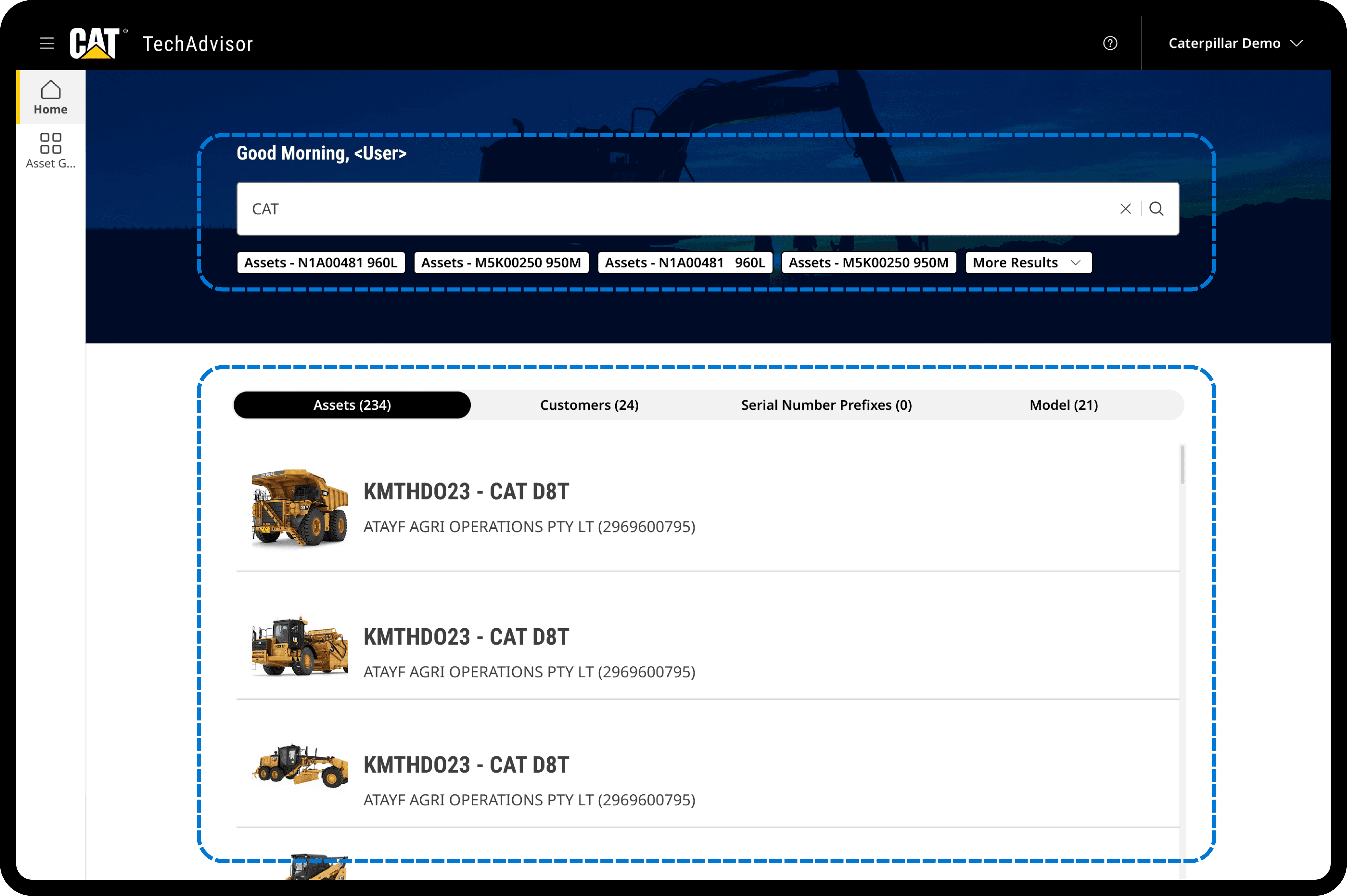
Initial direction: Which was pushed back
Search-based approach
Users could search assets by Customer ID, model number, or product family and get recommendations for the assets.

Final decision: Shipped
Import-based approach
Users have to import the assets data via excel doc and they need to import as a group and get recommendations for that group.
Why import based over search based even it was attractive and easy to use?
Search based approach required Helios integration, which has a waiting time of 12–18 months. Waiting for months meant shipping nothing and users had real needs right now. And that's why we decided to go with import based approach.
Key Iteration
How to assets imported into the system
We explored a minimal approach where the import process was compressed into fewer screens reducing the perceived effort of getting assets into the system before making recommendations.

Rejected — fewer steps
Compressed import in minimal screens
Reduced clicks, faster entry, but as the users were not familiar to this flow and also this is different from the upload pattern what CAT follows, this can create confusion, add anxitey and increase friction.

Shipped — stepper-based flow
Familiar pattern already used across CAT ecosystem
Users have to import the assets data via excel doc and they need to import as a group and get recommendations for that group.
Solution
The new experience
01 - Single Asset discovery
Insight
Users wants to quickly search the assets and understand what actually exist before buying.
They want to understand what features and technologies are currently active in their assets, so that they can get add the upgrades accordingly.
Decision: Search the assets and understand it's current state
We designed a fast, intelligent entry flow that helps users quickly find the right asset and understand its current state before exploring recommendations. Deeper technical details are available on demand via a side drawer, ensuring users have the right context before making upgrade decisions.
Impact → Helped users to quickly discover assets and understand the current state and technologies the asset posses.
02 - Selecting capabilities
Insight
Users are overwhelmed by the capabilities the CAT offers and they are swamped by sea of solutions. They have no clear picture what to pick for what problem.
Ultimately users want to select the right technology for their customer, they ultimately want to navigate quickly through this huge catalogue and pick the right one.
Decision 1: How we presented the capabilities screen
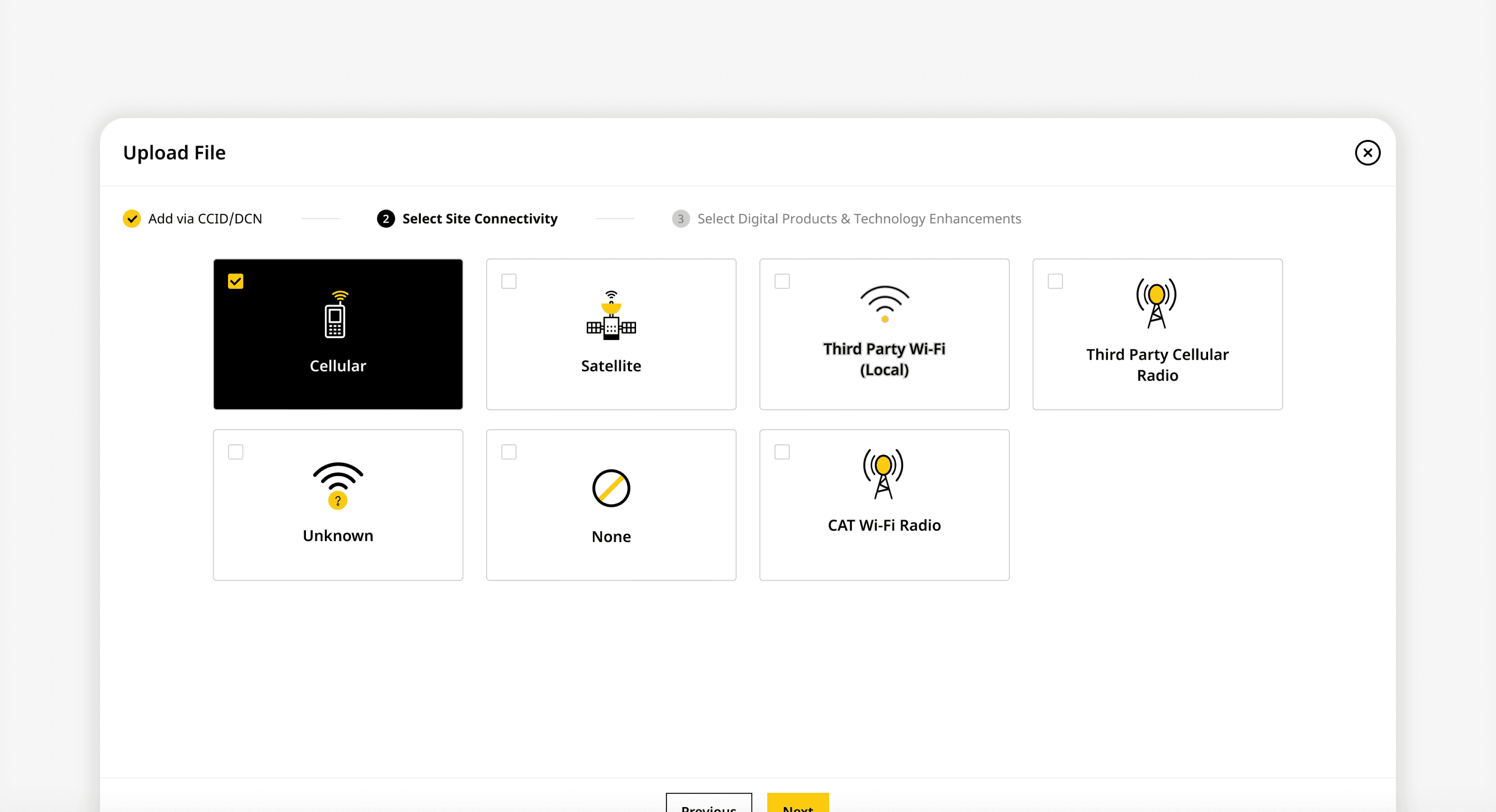
A consistent capability selection experience with clear constraints one capability at a time, explicit connectivity selection, and mixed-state indicators.
Impact → Maintained clarity at scale while preserving familiarity from single-asset workflows
Decision 2: How we let users to quickly evaluate capabilities and helped them with quick decision making
We designed a recommendation evaluation experience that supports both speed and confidence. Users can start with a quick view to scan recommended upgrades at a glance. When users need deeper validation, they can compare options side-by-side to clearly understand differences before committing to a recommendation.
Impact → Faster decisions, reduced cognitive load, easier to explain in dealer conversations
03 - Final Recommendation
Insight
Users are overwhelmed by the capabilities the CAT offers and they are swamped by sea of solutions. They have no clear picture what to pick for what problem.
The solution that was offered by CAT team and by the dealers are very complex to digest and consume.
Decision 1: Presenting the recommendations in a more consumable way
A consistent capability selection experience with clear constraints one capability at a time, explicit connectivity selection, and mixed-state indicators.
Impact → Maintained clarity at scale while preserving familiarity from single-asset workflows
04 - Multi Asset Recommendations
Insight
Users are overwhelmed by the capabilities the CAT offers and they are swamped by sea of solutions. They have no clear picture what to pick for what problem.
The solution that was offered by CAT team and by the dealers are very complex to digest and consume.
Decision 1: Import based approach for multi assets
A consistent capability selection experience with clear constraints one capability at a time, explicit connectivity selection, and mixed-state indicators.
Impact → Maintained clarity at scale while preserving familiarity from single-asset workflows
Reflections from the journey
Early Collaboration Reduced Misalignment
Involving stakeholders and developers early helped align expectations, identify dependencies sooner, and reduce rework throughout the project.
Good UX relies on a strong data foundation
Mapping data flows and system dependencies before designing screens helped me make more informed design decisions.
Final Thoughts
This project reminded me that great design is not just about improving usability, but also about collaborating efficiently and making strategic decisions under constraints to deliver impactful results.
Thanks for reading my case study!
If you have any more questions or want to know more details, please don't hesitate to contact me. For now, please consider checking my other work, my experiments, or learn more about me.
Next case study
TechAdvisor
Enterprise
Automobile & heavy machinery
A global application for dealers transforming technical complexity into clear, customer-ready recommendations.
